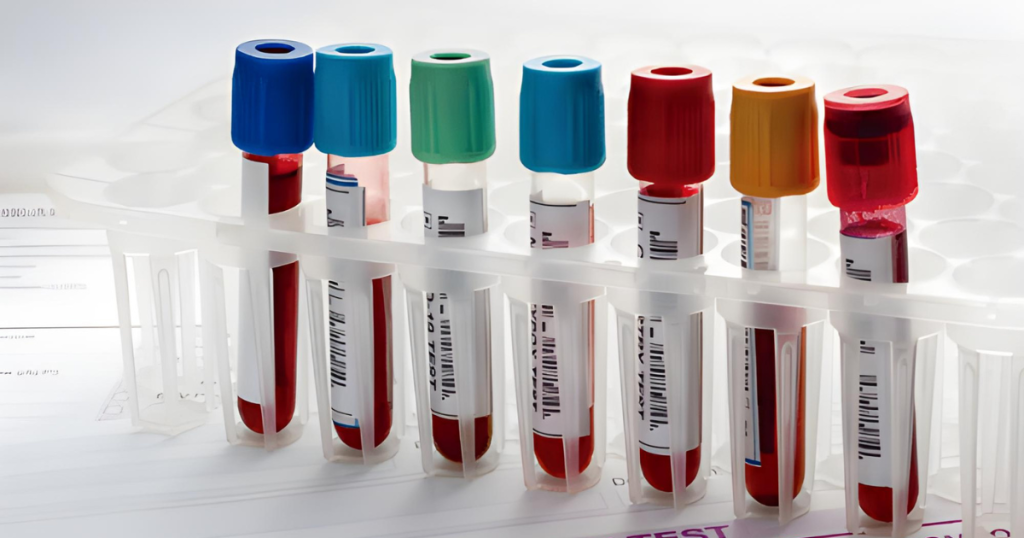

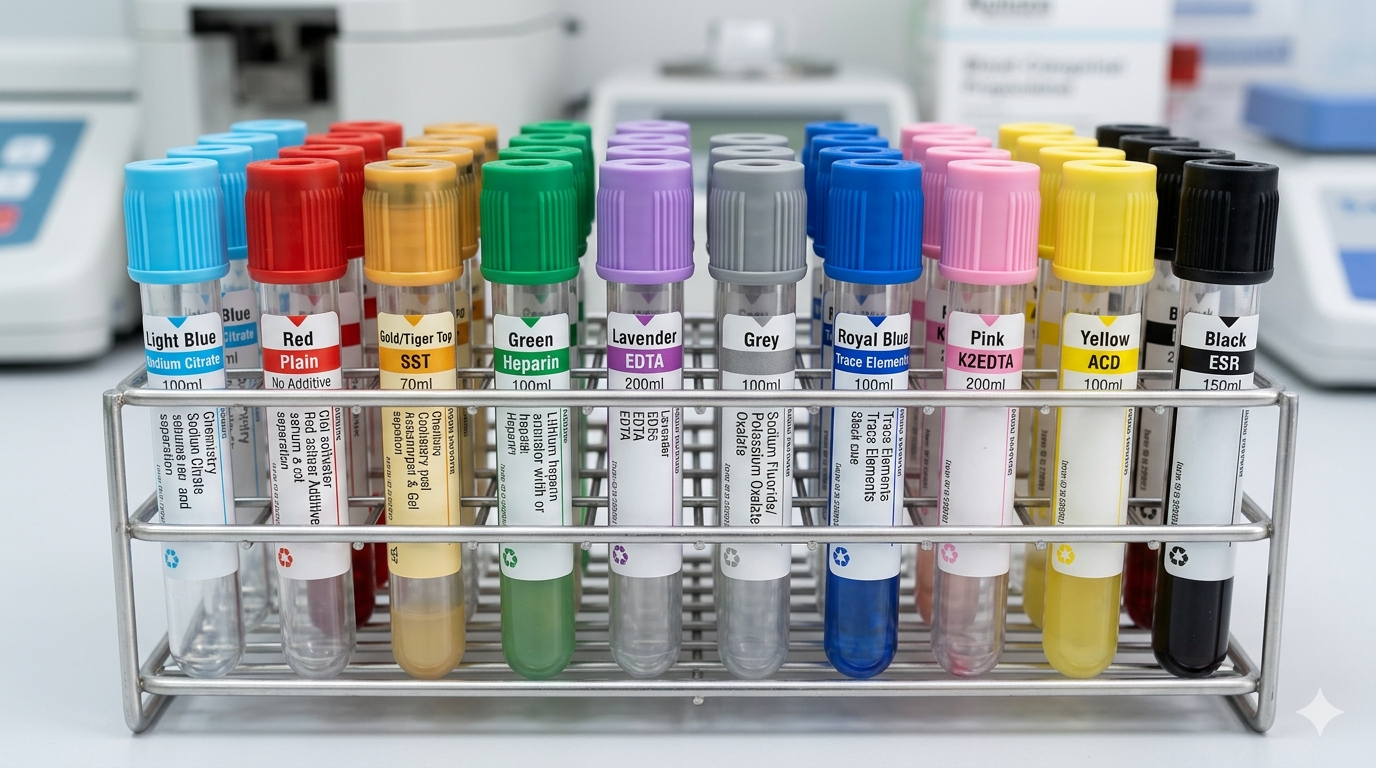
Blood collection tubes are essential tools in modern diagnostics. Each tube is designed with specific additives and purposes to ensure accurate laboratory results. Understanding the differences is crucial for healthcare professionals, laboratories, and procurement teams.
In this guide, we break down the most common types of blood collection tubes, their uses, and what makes each unique.
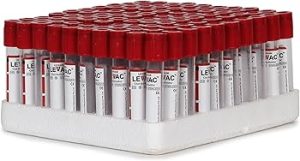
🔴1. Red Top Tube (Serum Tube)
Key Features:
- No anticoagulant (or contains clot activator)
- Allows blood to clot naturally
Common Uses:
- Serum testing
- Chemistry panels
- Serology
Why it matters:
Ideal when serum—not plasma—is required for testing.
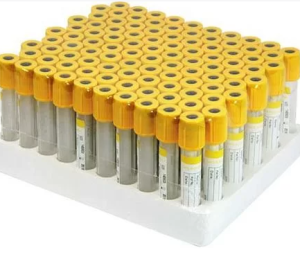
🟡 2. Gold / SST Tube (Serum Separator Tube)
Key Features:
- Contains clot activator and gel separator
- Gel forms a barrier between serum and cells after centrifugation
Common Uses:
- Routine chemistry tests
- Hormone testing
Why it matters:
Improves sample stability and reduces contamination risk.
🟢 3. Green Top Tube (Heparin Tube)

Key Features:
- Contains heparin (anticoagulant)
- Prevents clotting
Common Uses:
- Plasma chemistry tests
- Emergency testing
Why it matters:
Allows rapid testing since clotting time is eliminated.
🟣 4. Lavender / Purple Top Tube (EDTA Tube)
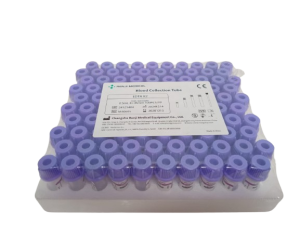
Key Features:
- Contains EDTA anticoagulant
- Preserves cellular components
Common Uses:
- Complete Blood Count (CBC)
- Hematology tests
Why it matters:
Maintains cell integrity for accurate blood analysis.
🔵 5. Blue Top Tube (Citrate Tube)

Key Features:
- Contains sodium citrate
- Binds calcium to prevent clotting
Common Uses:
- Coagulation studies (PT, aPTT)
Why it matters:
Ensures precise blood clotting measurements.
⚫6. ESR Tubes (Erythrocyte Sedimentation Rate)

Key Feaures:
- Anticoagulant Formulation
- Made of high-quality glass or PET plastic to provide a clean, sterile environment that prevents sample contamination
Common Uses:
- Initial Diagnostic Investigation
- Detecting General Inflammation
Why it matters:
- Early Disease Detection & Screening
🧪 Choosing the Right Tube
Selecting the correct blood collection tube is critical for:
- Accurate diagnosis
- Sample integrity
- Reliable laboratory results
Using the wrong tube can lead to:
- Contaminated samples
- Incorrect test outcomes
- Delayed patient care
🏢 Why Quality Blood Collection Tubes Matter
At Villa Surgical & Equipments Ltd, we provide high-quality blood collection solutions designed for:
- Precision and reliability
- Safe handling
- Consistent laboratory performance
Our tubes meet international standards and are trusted by healthcare professionals countrywide.