Introduction
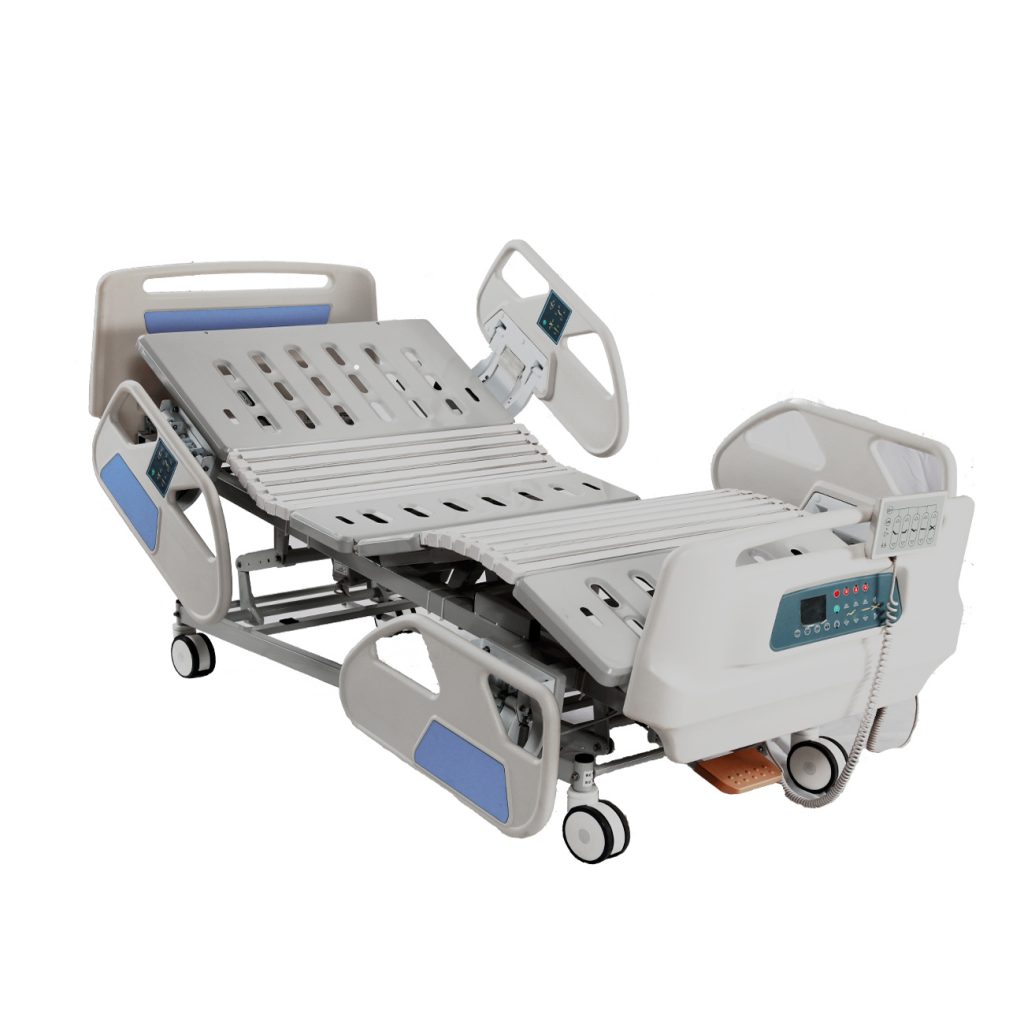
Hospital beds and critical care furniture are some of the most frequently used assets in any healthcare facility. Because they handle daily stress, patient movement, and emergency situations, they must remain in optimal working condition. Preventive maintenance not only prevents breakdowns but also improves safety, reduces long-term costs, and extends equipment life.
In this guide, we break down the essential best practices for maintaining hospital beds, stretchers, examination couches, and other critical care furniture.
Why Preventive Maintenance Matters
Proper maintenance delivers benefits such as:
-
Reduced equipment downtime
-
Increased patient safety and comfort
-
Longer equipment lifespan
-
Reliable performance during emergencies
-
Lower long-term repair and replacement costs
1. Conduct Routine Visual Inspections
Regular visual checks help detect issues early before they escalate.
What to check:
-
Cracks or damage on bed frames and wheels
-
Wear and tear on mattresses and rails
-
Loose screws, bolts, and side rails
-
Condition of castors and brakes
Document all observations and update your facility’s maintenance log.
2. Test Electrical and Mechanical Functions
Hospital beds and ICU furniture rely heavily on mechanical and electronic systems.
Key areas to test:
-
Motor performance and noise levels
-
Height adjustments and tilt functions
-
Control panels, remotes, and safety locks
-
Power cables and battery backups
Any irregular movement or unusual noise should be addressed immediately.
3. Lubricate Moving Components
Smooth operation depends on proper lubrication. Apply medical-grade lubricants to:
-
Hinges
-
Joints
-
Adjustable mechanisms
-
Moving rails
Avoid over-lubrication to prevent dirt buildup.
4. Clean and Disinfect Properly
Hospital furniture should be cleaned using approved disinfectants to avoid corrosion and material degradation.
Best cleaning practices:
-
Use non-abrasive cleaning agents
-
Wipe spills immediately
-
Follow manufacturer-specific cleaning guidelines
-
Avoid soaking electrical parts
Regular cleaning prevents contamination and preserves equipment surfaces.
5. Ensure Mattress and Upholstery Integrity
Mattresses and cushions directly affect patient comfort and infection control.
Check for:
-
Tears, splits, and cracks
-
Moisture or fluid infiltration
-
Loss of firmness
-
Proper alignment with the bed frame
Replace damaged components immediately to maintain hygiene and comfort.
6. Verify Load Capacity and Safety Features
Every bed has a maximum safe working load. Regular checks ensure the bed can safely support patients.
Important safety features to test:
-
Side-rail locking mechanisms
-
Brakes and wheel alignment
-
Patient restraint systems (if applicable)
This helps prevent avoidable accidents during patient handling.
7. Follow Manufacturer Guidelines
Manufacturers provide specific maintenance schedules, recommended spare parts, and servicing instructions. Always consult the manual to avoid voiding warranties and ensure proper servicing.
8. Schedule Professional Servicing
Even with in-house maintenance, professional technicians should inspect and service hospital beds periodically.
Professional servicing includes:
-
Calibration
-
Electrical diagnostics
-
Replacement of worn-out parts
-
Compliance testing
Consider partnering with certified biomedical engineers for scheduled maintenance.
Conclusion
Preventive maintenance of hospital beds and critical care furniture is essential for safety, efficiency, and long-lasting performance. By following the best practices above, healthcare facilities can reduce operational risks, improve patient care, and extend equipment lifespan.